
Discover the cheapest travel options in the UK for 2025. A detailed, friendly guide covering trains, coaches, flights, real-life savings stories, comparisons, FAQs, and tips to help you travel smart and save money.
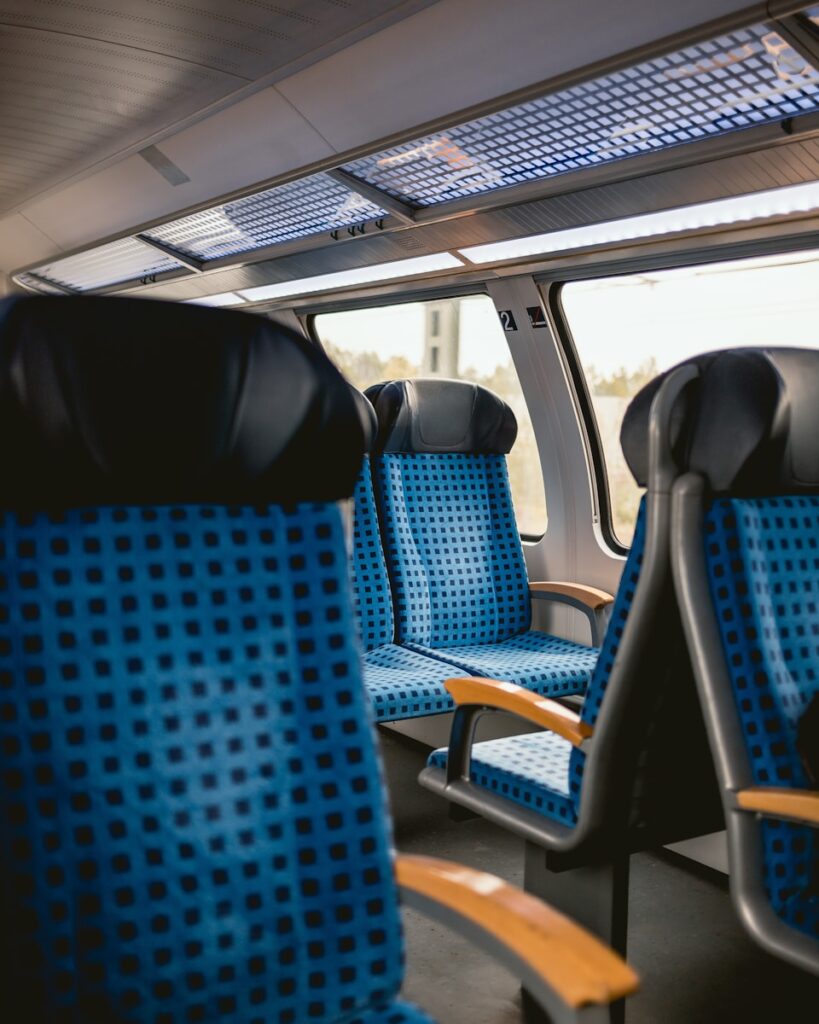
Cheapest Travel Options in the UK: Trains, Coaches, and Flights
The Answer Box
Short answer: When planning UK travel on a budget, coaches offer the cheapest fares but are slowest, trains provide a faster and flexible balance with savings unlocked through railcards and advance bookings, and flights can be cheapest over longer distances if booked early and with care to avoid hidden fees. Mixing and matching modes and using tricks like split-ticketing or early booking saves the most.
Real-Life Story: Alex’s Budget Summer Trip from London to Edinburgh
Alex wanted to visit Edinburgh for a family reunion but had a tight budget. Instead of booking a straightforward train ticket at £120 return, he spent hours researching and booked an early-morning megabus for just £12 each way. The trip was long (around 9 hours), but he saved over £200 and used the difference for yummy pints and meals in Scotland. The next year, planning ahead, he combined an advanced train ticket out and a coach return, striking a balance of time and cost.
His experience highlights how patience, flexibility, and research help you save big—if you know where to look.
Understanding Your Travel Modes
Trains
- Best for: Moderate to long distances with decent speed and comfort.
- Cost range: £5–£120+ depending on route, booking time, and railcards.
- How to save:
- Book Advance tickets (usually 12 weeks ahead) for the cheapest fares.
- Use Railcards (e.g., 16-25, Senior, Family & Friends) to get 1/3 off.
- Try split-ticketing, buying multiple tickets for different legs for a lower total.
- Travel off-peak for cheaper fares and less crowds.
Coaches
- Best for: Those prioritising price over speed with flexible or budget schedules.
- Cost range: £1–£25 for typical medium to long trips.
- How to save:
- Book with budget operators like Megabus or National Express early.
- Use discount codes and check for student, senior, or group offers.
- Stay flexible on time; overnight coaches often cheaper.
Flights
- Best for: Longer distances where time is key; quick city-to-city travel.
- Cost range: £20–£80+ when booked in advance.
- How to save:
- Book weeks or months ahead with budget airlines like EasyJet or Ryanair.
- Beware of extra fees: luggage, seat selection, priority boarding.
- Factor in airport transfers; some airports can be costly or time-consuming to reach.
Table: Comparing UK Travel Options (Typical London to Major Cities)
| Route | Mode | Typical Cheapest Fare | Travel Time | Pros | Cons |
|---|---|---|---|---|---|
| London – Edinburgh | Coach | £10 – £25 | 8–10 hours | Cheapest, very frequent | Long journey, less comfortable |
| Train | £30 – £120 | 4.5 – 5 hours | Fast, comfortable | Expensive without advance | |
| Flight | £20 – £80 | 1.5 hours | Quickest | Transfers add time, fees | |
| London – Manchester | Coach | £5 – £15 | 5 – 6 hours | Cheapest | Slow, less frequent |
| Train | £15 – £70 | 2 – 2.5 hours | Frequent, fast | Pricey last minute | |
| Flight | £20 – £60 | 1 hour | Fastest | Airport hassles, expensive | |
| London – Bristol | Coach | £4 – £12 | 3.5 – 4 hours | Budget choice | Slow, potential traffic |
| Train | £15 – £50 | 1.5 – 2 hours | Fast, reliable | Higher cost | |
| Flight | Rarely recommended | N/A | N/A | Usually longer after transfers |
Tips for Smart Travel Booking
- Plan Early: Many of the best fares are released 12 weeks or more before travel. Booking promptly pays off.
- Stay Flexible: Avoid peak times and weekends if possible. Mid-week and off-peak are kinder to your wallet.
- Use Railcards: If you qualify, getting one pays off quickly.
- Try Split Tickets: Websites like SplitTicketing.com or Trainsplit help lower train ticket costs.
- Compare Across Modes: Don’t just check trains—sometimes coach or flight is cheaper when including all factors.
- Download Apps: The Trainline, National Express, EasyJet apps alert you to flash sales.
- Avoid Extras: On flights or coach bookings, watch out for fees for bags or seat selections.
- Check Refund Policies: Plans can change—you want tickets that offer refunds or changes at minimal cost.
Detailed Look: How to Save on Trains
- Buy in Advance: Advance rail tickets can cost less than £20, but they’re not always on every route.
- Railcards: About £30–£70 annually, saving one-third off eligible tickets. Types include:
- 16-25 Railcard
- Senior Railcard
- Two Together
- Family & Friends Railcard
- Split Ticketing: Buying separate tickets for legs can reduce total price. Train conductors accept these.
- Off-Peak Travel: Trips outside morning and evening rush hours cost less.
Real Example:
Lucy saved over £40 on a London to Leeds trip by buying two tickets (London to York, York to Leeds) and using an Off-Peak single ticket instead of a direct full price fare.
Choosing Coaches Wisely
Coaches remain the cheapest long-distance travel, but you’ll trade time for money.
- Megabus: Fares start at £1 in some cases but increase as seats fill.
- National Express: More frequent routes, better service; book early for discount.
- Overnight Coaches: Saves accommodation cost if you’re on a tight budget.
Real-Life Insight:
James travels weekly Manchester-London on National Express early-bird fares at around £10, saving hundreds yearly.
Budget Flights in the UK
Regional routes are often served by low-cost airlines:
- EasyJet: London Gatwick, Luton, Bristol, Manchester
- Ryanair: Luton, Stansted, and others
You can find one-way fares under £20 if booked months ahead.
Essential Tips:
- Factor in transport to/from airports
- Watch out for baggage and seat selection fees
- Use airline apps for occasional flash sales
FAQs
Q1: Which mode is cheapest overall?
A: Coaches usually have the lowest prices, especially for long distances, but are much slower.
Q2: Are train tickets refundable?
A: Most advance tickets are non-refundable. Off-Peak or Anytime tickets often allow refunds or changes.
Q3: Do railcards work on all trains?
A: Railcards apply to most domestic trains but not to some premium or special services.
Q4: Can I combine train and coach travel?
A: Yes, mixing modes can save cost but requires careful planning.
Q5: Is flying practical for UK domestic trips?
A: For journeys over 250 miles with time pressures, flying may be fastest but consider airport transfers and costs.
Final Thoughts and Call to Action
Choosing the cheapest travel option in the UK depends on your priorities—budget, speed, comfort, or convenience.
Ready to save on your next journey? Start comparing early, try split tickets, grab coach bargains, and watch airline deals for the best prices. Travel smart in 2025—more money saved means more adventures ahead!
Plan ahead and get the most out of your UK travels today!